Concrete Embroidery Font Review
As an embroidery designer with years of experience, I've seen countless fonts and styles come and go. But the Concrete Embroidery Font stands out for its clean, modern look and versatility. It’s not just another font—it's a design that feels right at home on everything from custom apparel to personalized gifts. Let me walk through how it performs in real-life projects and what to consider before using it.
First Impressions: A Bold, Modern Look
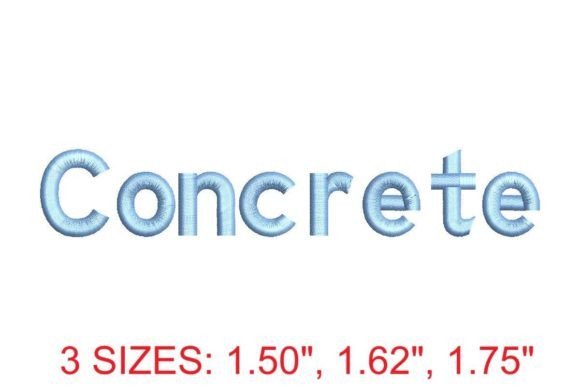
The Concrete Embroidery Font immediately gives off a strong, confident vibe. Its thick, uniform lines and sharp edges make it feel like a design that’s meant to be seen. It has a minimalist yet impactful presence, which makes it perfect for projects where clarity and style matter. The font doesn’t try too hard to be fancy—it just works. Whether you're stitching a tote bag or a baby onesie, this font brings a sense of professionalism without being overly complex.
Its layout is straightforward, with consistent spacing and no unnecessary flourishes. This makes it ideal for use in machine embroidery designs, where simplicity often translates to better stitch performance. The detail level is just right—enough to make a statement but not so intricate that it becomes a nightmare to stitch.
Real-World Use Cases: Where It Shines
I recently used the Concrete Embroidery Font for a custom sweatshirt design for a small business client. The font looked great on both light and dark fabric, and the stitch density was manageable. It worked well as a main text element, giving the garment a clean, modern aesthetic that aligned with the brand’s identity.
Another project involved a baby onesie with the font applied in a soft pastel thread color. The result was elegant and age-appropriate, making it a hit with parents looking for something simple yet stylish. The font also performed well on embroidered patches, where its boldness made it easy to read even from a distance.
For a holiday gift idea, I tried the Concrete Embroidery Font on a tea towel. The design stood out without overwhelming the fabric, and the contrast between the thread and the background was just right. It felt like the kind of design that could be used across multiple product types, from apparel to home decor.
Where to Be Cautious: Practical Considerations
While the Concrete Embroidery Font is versatile, there are some situations where it might not perform as well. For example, on small hoop sizes, the font can appear cramped or lose some of its visual impact. If you're working on a tiny patch or a cap, you may need to adjust the size or choose a different font altogether.
On textured fabrics or thin materials, the font might not sit as smoothly as it would on a smooth cotton or denim. You’ll want to test it first to ensure the stitches don’t get distorted by the fabric’s surface. Similarly, stretchy fabrics can cause the design to pucker if the stabilizer isn’t properly applied.
When working with dark fabrics, the contrast between the thread and the background is crucial. If the thread color is too similar to the fabric, the design might not stand out as intended. Always check the thread colors against the fabric before starting a project.
Impact on Visual Appeal and Customer Perception
The Concrete Embroidery Font adds a level of sophistication that can elevate any handmade product. It’s not just about the look—it’s about how customers perceive the quality of the finished item. A clean, well-executed font can make a big difference in how a product is received, especially for Etsy sellers or small shop owners who rely on visual appeal to attract buyers.
Using this font in commercial embroidery projects also helps maintain brand consistency. It’s a reliable choice for businesses that want their logo or message to look professional and polished. For personalized gifts, it offers a timeless quality that appeals to a wide range of customers.
From a practical standpoint, the font’s simplicity means it’s less likely to cause issues during the embroidery process. It’s a good fit for both personal and commercial projects, provided you follow proper stitching techniques and use the right stabilizer.
Designer Notes: Testing and Preparation
Before using any embroidery file, I always recommend testing it on scrap fabric. This helps you see how the Concrete Embroidery Font looks in real life and whether it matches your expectations. Pay attention to the stitch density—too much can cause the design to look crowded, while too little might make it look weak.
Check the hoop size required for the design. If it’s larger than your machine can handle, you may need to split the design or resize it. Also, review the thread colors to ensure they work well with your chosen fabric. Dark fabrics may require brighter threads for visibility, while lighter ones can handle more subtle tones.
Inspecting small details is essential. The Concrete Embroidery Font has clean lines, but if the design is too small, those lines might not stitch clearly. Test it in black and white mockups to see how it looks without color. Compare it on both light and dark backgrounds to ensure it’s versatile enough for your needs.
If you’re planning to sell items with this font, confirm the licensing terms. Make sure you have the rights to use it commercially and that it’s suitable for the type of products you’re creating. For digital product sellers, ensure the file format is compatible with your software and that the design is ready for print or embroidery use.
Conclusion: A Reliable Choice for Creative Projects
The Concrete Embroidery Font is a solid addition to any designer’s toolkit. It’s stylish, functional, and adaptable to a wide range of embroidery projects. Whether you're creating custom apparel, personalized gifts, or small shop merchandise, this font offers a professional look that can enhance the overall quality of your work.
It’s not perfect for every situation, but when used correctly, it delivers consistent results. As with any machine embroidery design, preparation and testing are key. By taking the time to understand how the Concrete Embroidery Font performs in different contexts, you can make the most of its potential and create beautiful, lasting pieces for your clients and customers.